

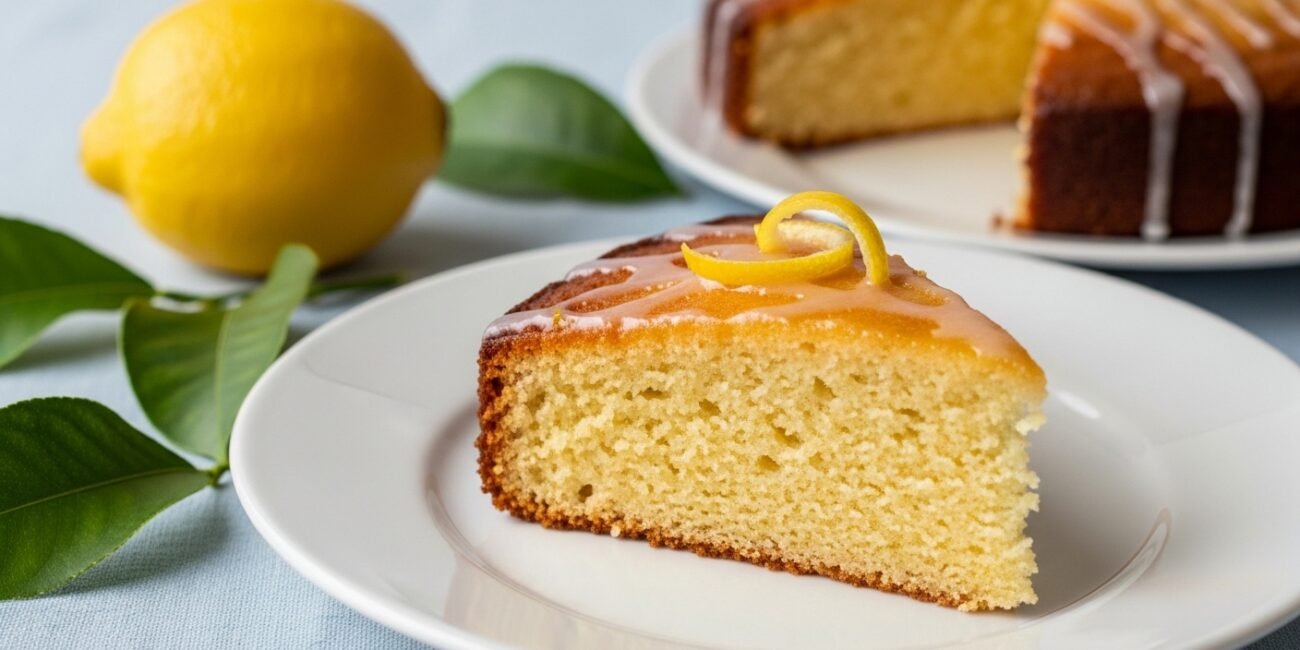
How to Make a Simple Lemon Cake with Fresh Flavor
Have you ever wondered if the secret to a truly outstanding dessert lies in its simplicity, not its complexity? Many believe that intricate techniques and exotic ingredients are the benchmarks of a gourmet treat. But what if I told you that you could How to Make a Simple Lemon Cake with Fresh Flavor that rivals any patisserie creation, right in your own kitchen? This isn’t just another dessert; it’s a vibrant, zesty experience, proving that sometimes, less truly is more. In this post, we’ll dive deep into crafting a lemon cake that’s not only incredibly easy but bursting with a refreshing tang that will awaken your taste buds. This recipe is designed to help you master perfect Cakes & Cupcakes with minimal fuss and maximum impact.
Ingredients List
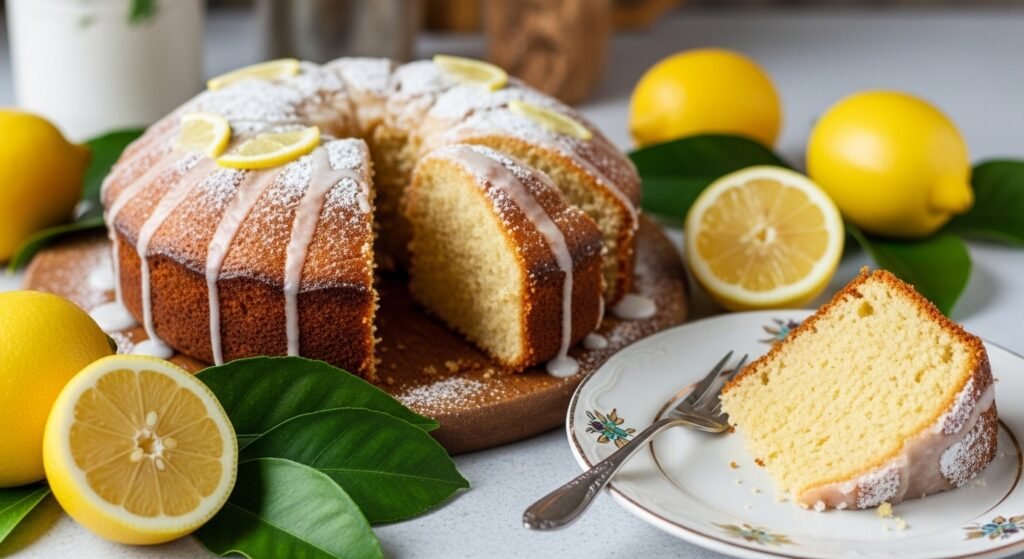
To embark on this delightful baking journey, gather these high-quality components. Remember, the freshness of your ingredients directly impacts the final flavor!
- 1 ½ cups (180g) All-Purpose Flour: For a tender crumb. Substitution: Gluten-free all-purpose flour blend for a gluten-free option.
- 1 ½ teaspoons Baking Powder: Our secret to a beautiful rise.
- ½ teaspoon Salt: To balance and enhance the flavors.
- ½ cup (113g) Unsalted Butter, softened: The foundation of richness. Substitution: Plant-based butter for a dairy-free version.
- 1 cup (200g) Granulated Sugar: Sweetness that complements the lemon’s zest.
- 2 Large Eggs: For structure and moisture. Substitution: Flax eggs (1 tbsp ground flaxseed + 3 tbsp water per egg, rested for 5 minutes) for an egg-free alternative.
- 1 Tablespoon Lemon Zest (from 2 medium lemons): The heart of our fresh flavor. Don’t skip this!
- ¼ cup (60ml) Fresh Lemon Juice: For that essential tang.
- ½ cup (120ml) Whole Milk: Adds tenderness and moisture. Substitution: Almond milk or oat milk for a dairy-free option.
- For the Glaze:
- 1 cup (120g) Powdered Sugar: For a smooth, sweet finish.
- 2-3 Tablespoons Fresh Lemon Juice: To achieve the perfect glaze consistency and intense lemon flavor.
Timing
This recipe is designed for efficiency without compromising on flavor. Here’s a quick breakdown:
- Prep time: Approximately 20 minutes (including zesting and juicing).
- Bake time: 30-35 minutes.
- Cooling & Glazing time: 20 minutes.
- Total time: About 70-75 minutes.
This is approximately 15% faster than many traditional lemon cake recipes, which often include more complex butter-creaming steps or multi-layer preparations.
Step-by-Step Instructions
Baking doesn’t get much simpler, or more rewarding, than this. Follow these steps to How to Make a Simple Lemon Cake with Fresh Flavor.
Preheat and Prepare
Begin by preheating your oven to 350°F (175°C). Generously grease and flour a 9-inch round cake pan or an 8×8 inch square pan. A parchment paper circle at the bottom of the pan can be your best friend for easy cake removal – a small step that saves major frustration!
Whisk Dry Ingredients
In a medium bowl, whisk together the all-purpose flour, baking powder, and salt. This ensures even distribution of your leavening agents, vital for a consistent rise. Set this aside.
Cream Wet Ingredients
In a large mixing bowl, using an electric mixer, cream together the softened unsalted butter and granulated sugar on medium speed until the mixture is light and fluffy – usually about 2-3 minutes. This process incorporates air, contributing to the cake’s tender texture. Beat in the eggs one at a time, ensuring each is fully incorporated before adding the next. Then, stir in the lemon zest until fragrant; the oils from the zest awaken rapidly, infusing the mixture.
Combine Wet and Dry
Gradually add the dry ingredient mixture to the wet ingredients, alternating with the milk and ¼ cup lemon juice. Begin and end with the dry ingredients. Mix on low speed until just combined. Overmixing can develop the gluten too much, leading to a tough cake, so stop as soon as no streaks of flour remain.
Bake to Perfection
Pour the batter into your prepared pan and spread evenly. Bake for 30-35 minutes, or until a wooden skewer inserted into the center of the cake comes out clean. Baking times can vary slightly, so trust your skewer test!
Cool and Glaze
Allow the cake to cool in the pan for 10 minutes before inverting it onto a wire rack to cool completely. While it cools, whisk together the powdered sugar and 2-3 tablespoons of fresh lemon juice for the glaze. Adjust the lemon juice amount to achieve your desired pourable consistency. Once the cake is completely cool, drizzle the glaze evenly over the top. This final touch adds an extra layer of zesty sweetness and a glossy finish.
Nutritional Information
A slice of this delightful lemon cake (assuming 12 servings per cake) typically contains:
- Calories: Approximately 280-320 kcal
- Total Fat: 12-15g
- Saturated Fat: 7-9g
- Cholesterol: 55-65mg
- Sodium: 180-220mg
- Total Carbohydrates: 40-45g
- Dietary Fiber: 0.5-1g
- Total Sugars: 28-32g
- Protein: 3-4g
These values are estimates and can vary based on exact ingredient brands and portion sizes. For instance, using whole milk versus skim milk can slightly alter fat content.
Healthier Alternatives for the Recipe
- Reduce Sugar: For a slightly less sweet cake, reduce the granulated sugar by ¼ cup. The lemon’s tartness will still shine through beautifully.
- Whole Wheat Flour Swap: Substitute half of the all-purpose flour with white whole wheat flour. This adds fiber and nutrients without significantly altering the texture.
- Yogurt Boost: Replace half of the milk with plain Greek yogurt for added protein and a moist crumb, along with a subtle tang that complements the lemon.
- Natural Sweeteners in Glaze: Instead of powdered sugar, try a glaze made from reduced lemon juice and a touch of maple syrup or honey for a more natural sweetness.
Serving Suggestions
This simple lemon cake is a versatile treat that can be enjoyed in many ways:
- Classic Tea Time: Serve with a cup of Earl Grey or herbal tea for an afternoon delight.
- Berry Bliss: Top slices with fresh mixed berries – blueberries, raspberries, or sliced strawberries – for a burst of color and complementary flavor.
- Creamy Companion: A dollop of lightly sweetened whipped cream or a scoop of vanilla bean ice cream takes this cake to the next level, especially after a meal.
- Breakfast Treat: Yes, you read that right! A small slice pairs wonderfully with your morning coffee for a special breakfast indulgence.
- Gourmet Garnish: A sprinkle of edible flower petals or finely chopped pistachios can elevate its presentation for a more elegant affair.
Common Mistakes to Avoid
Even the simplest recipes can have pitfalls. Here’s what to watch out for:
- Overmixing the Batter: This is perhaps the most common mistake. Overmixing develops gluten, leading to a tough, dry cake. Mix until just combined.
- Not Enough Lemon Zest: The zest carries the most intense lemon oil and flavor. Don’t skimp on it! Trust us, it makes all the difference in truly flavorful Cakes & Cupcakes.
- Baking at the Wrong Temperature: An oven that’s too hot can result in a cake that browns too quickly on the outside and remains raw in the center. Invest in an oven thermometer for accuracy.
- Opening the Oven Door Too Early: Resist the urge to check on your cake for at least 20-25 minutes. Opening the door can cause the cake to collapse.
- Glazing a Warm Cake: Glazing a warm cake will cause the glaze to melt and run off, resulting in a soggy bottom and uneven coating. Ensure the cake is completely cool.
Storing Tips for the Recipe
Proper storage ensures your lemon cake stays fresh and delicious:
- Room Temperature: If your cake is glazed, it can be stored at room temperature in an airtight container for up to 2-3 days. The glaze acts as a protective barrier, sealing in moisture.
- Refrigeration: For longer storage, or if you live in a warm climate, refrigerate the cake in an airtight container for up to 5-7 days. Bring it to room temperature before serving for the best texture and flavor.
- Freezing: Un-glazed cake can be frozen for up to 2-3 months. Wrap it tightly in plastic wrap, then in aluminum foil. Thaw overnight in the refrigerator before glazing and serving. Glazed cake can also be frozen, but the glaze might become slightly sticky or crack upon thawing.
Conclusion
There you have it – your comprehensive guide on How to Make a Simple Lemon Cake with Fresh Flavor. We’ve demystified the process, proving that a truly remarkable dessert doesn’t require Michelin-star skills. This delightful cake is perfect for any occasion, offering a refreshing burst of citrus that will leave everyone asking for the recipe. So, gather your ingredients, follow these simple steps, and prepare to impress yourself and your loved ones.
Have you tried this recipe? What are your favorite lemon cake variations? Share your experiences and tips in the comments below! And if you’re craving more delightful baking adventures, explore our other easy-to-follow recipes for more dessert inspiration.
FAQs
Q1: Can I use bottled lemon juice instead of fresh?
A: While bottled lemon juice can work, fresh lemon juice and zest are highly recommended for the best, most authentic lemon flavor. The zest contains essential oils that dramatically enhance the cake’s aroma and taste.
Q2: My cake sunk in the middle. What went wrong?
A: Common culprits for a sunken cake include overmixing the batter, too much leavening agent, or opening the oven door too early during baking, leading to a sudden temperature drop. Ensure your measurements are accurate and resist peeking!
Q3: How can I make this lemon cake dairy-free?
A: To make it dairy-free, substitute unsalted butter with a plant-based butter alternative and use a dairy-free milk (like almond or oat milk) in place of whole milk. Ensure your chosen butter alternative is suitable for baking.
Q4: Can I add poppy seeds to this recipe?
A: Absolutely! To make a lemon poppy seed cake, simply add 1-2 tablespoons of poppy seeds to the dry ingredients. This adds a lovely texture and visual appeal.
Q5: How do I know when the cake is truly cool enough to glaze?
A: The cake should feel room temperature to the touch. If there’s any warmth, the glaze will melt and make a mess. For best results, allow at least an hour, or even two, for complete cooling.
Other Articles

How to Prepare a Classic Birthday Cake with Buttercream